Soft Foods for Texture Aversion
Discover soft foods for texture aversion that are easy to eat and nutritious. Learn why texture aversion happens and find gentle food options to support your health.
Relationship with Food
Author
Nabi Editorial Team
Published on Apr 3, 2026

Medical Reviewer
Jacklyn Jensen
6 min read
For many people, the texture of food matters just as much as the taste. If certain textures make you gag, feel sick, or avoid eating altogether, you are not alone. Texture aversion is a real experience that can make mealtimes stressful. The good news is that there are many soft, easy-to-eat foods that can help you get the nutrition you need while respecting your comfort level.
What Is Food Texture Aversion?
Food texture aversion is when the feel of certain foods in your mouth causes a strong negative reaction. Some people struggle with crunchy foods. Others may avoid slimy, lumpy, or chewy textures. This is more than just being picky. It can limit what you eat and affect your nutrition and overall health.
People with higher sensory sensitivity are more likely to reject foods based on texture alone. This means texture aversion is rooted in how your brain processes physical sensations, not a matter of willpower or stubbornness.
Sensory processing differences are common across all ages. Some people have always been sensitive to textures, while others develop aversions after illness, dental work, or other health changes. Understanding why texture aversions happen can help you feel less frustrated with yourself.
How Texture Aversion Differs from Picky Eating
There is an important difference between picky eating and ARFID. Picky eating usually involves preference. Texture aversion goes deeper. It can trigger physical reactions like gagging or nausea. When texture aversion limits your diet to the point where it affects your health or daily life, it may be a sign of avoidant/restrictive food intake disorder, known as ARFID. This is not just a childhood condition. Adults can have ARFID too.
Why Soft Foods Can Help
Soft foods are often easier to tolerate for people with texture aversion. They have a smooth, predictable consistency that reduces the chance of an unpleasant surprise in your mouth. Soft foods also require less chewing, which can lower anxiety around eating.
Choosing soft foods is not about giving up. It is about finding ways to eat that work for your body and brain right now. Many people find that starting with soft, safe foods gives them a foundation to build from. Over time, with support, some people gradually expand their food choices through strategies like exposure therapy.
Soft Food Ideas for Breakfast
Starting the day with something gentle on your senses can set a positive tone. Here are some breakfast options with smooth, soft textures.
- Scrambled eggs cooked low and slow until creamy
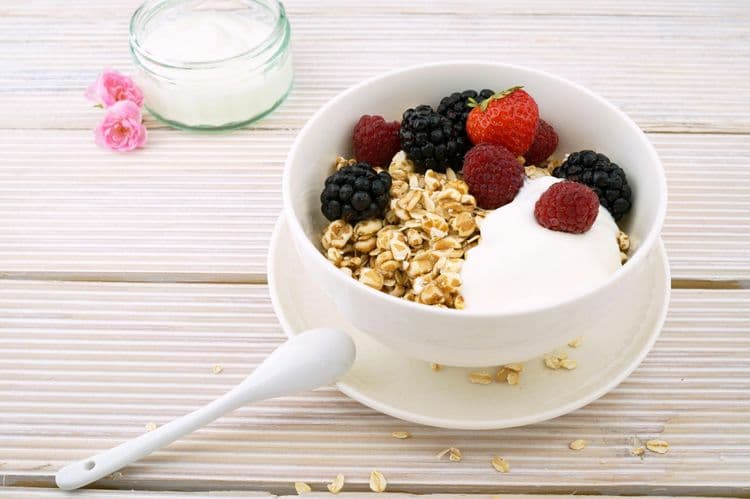
- Oatmeal cooked until smooth, topped with honey or mashed banana
- Greek yogurt with a creamy texture and plenty of protein
- Smoothies blending fruit, milk, and protein powder into one smooth drink
- Soft, fluffy pancakes or well-soaked French toast
- Cream of wheat or grits with butter
Soft Foods for Lunch and Dinner
Finding main meals that feel safe is key to maintaining steady nutrition throughout the day. These options focus on gentle, predictable textures.
- Mashed potatoes with butter or gravy
- Macaroni and cheese
- Pureed soups like tomato, butternut squash, or potato
- Soft-cooked pasta with butter or a simple cream sauce
- Meatloaf made with fine breadcrumbs for a tender texture
- Risotto or polenta
- Shepherd's pie with ground meat and creamy mashed topping
Many of these overlap with ARFID-friendly meals and ARFID safe foods, which focus on predictable textures and familiar flavors.
Preparing Proteins with Soft Textures
Protein is an essential nutrient, but many protein sources have textures that feel challenging. Here are some softer options.
- Slow-cooked or braised meats that become very tender
- Ground meats in dishes like pasta sauce or shepherd's pie
- Baked fish like tilapia or cod, which is naturally soft
- Silken tofu blended into sauces or smoothies
- Eggs prepared any style
Soft Snack Options
Snacks are a good way to add extra nutrition between meals, especially if large meals feel difficult.
- Applesauce or mashed banana
- Pudding or gelatin
- Nut butter spread on soft bread
- Cottage cheese or ricotta with honey
- Mashed avocado on toast
- Hummus with soft pita bread
- Ice cream or frozen yogurt
- Mashed sweet potato with cinnamon
If you struggle with eating full meals, snacking throughout the day can be a more comfortable approach. Having several small snacks rather than three large meals allows you to take in adequate nutrition without the pressure of sitting down to a big plate of food.
Nutritional Tips for Managing Texture Aversion
When your diet is limited by texture preferences, making sure you get enough nutrients takes some planning. Here are a few strategies that can help.
Boosting Nutrition in Soft Foods
Add protein powder to smoothies or oatmeal. Stir nut butter into yogurt or oatmeal for extra calories and protein. Use whole milk or cream instead of water when cooking oatmeal or mashed potatoes. Blend vegetables into soups so you get the nutrients without the texture. Add avocado to smoothies for healthy fats without changing the smooth consistency. These small changes can make a big difference in meeting your nutritional needs.
If texture aversion is significantly affecting your health, working with a professional who understands sensory challenges can be very helpful. A dietitian experienced with ARFID can create a plan that respects your needs while improving your nutrition.
When to Seek Support
Texture aversion is nothing to be ashamed of. However, if it is causing weight loss, nutritional gaps, or significant stress around mealtimes, it may be time to talk with a professional.
Overcoming food texture aversion is a process that does not happen overnight. But with patience and the right guidance, many people are able to expand their comfort zone with food over time. Professional support can include an occupational therapist who specializes in sensory processing, a speech-language pathologist experienced with feeding challenges, or a dietitian. A team approach often works best.
Summary
Soft foods can be a lifeline for people dealing with texture aversion. Options like scrambled eggs, mashed potatoes, smoothies, pureed soups, and yogurt offer nutrition in textures that feel safe. Boosting the nutritional value of soft foods with protein, healthy fats, and blended vegetables can help you meet your needs. If texture aversion is affecting your quality of life, reaching out to a professional is a strong and healthy choice.
If you or someone you know is struggling with an eating disorder or texture aversion, the National Alliance for Eating Disorders helpline is available at 1-866-662-1235.
6 min read