How to Overcome Being Insecure About Your Body
Feeling insecure about your body is common but difficult. Learn the causes of body insecurity, how social media affects body image, and evidence-based strategies to feel more comfortable in your body.
Author
Nabi Editorial TeamPublished

Medical Reviewer
Abraham Ruiz, MS, RDN, CD6 min read
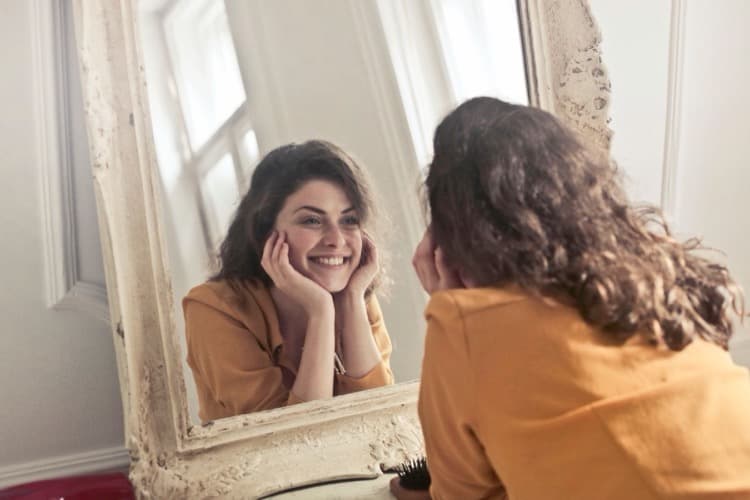
Feeling insecure about your body can affect every part of your life. You might avoid social situations, feel anxious when choosing clothes, or constantly compare yourself to others.
Body insecurity causes real distress, but it doesn't have to control your life. Research shows that body image is changeable—you can develop a more peaceful relationship with your body regardless of its size or appearance.
This article explores why body insecurity happens, how it affects you, and evidence-based strategies for feeling more comfortable and confident in your body.
What Is Body Insecurity?
Body insecurity means feeling uncomfortable, self-conscious, or dissatisfied with how your body looks. It involves negative thoughts and feelings about your physical appearance, which can focus on specific body parts or your overall appearance.
Body insecurity might show up as:
- Constantly checking or monitoring your appearance in mirrors
- Avoiding mirrors or photos entirely
- Comparing your body to others frequently
- Feeling anxious in situations where your body is visible
- Spending excessive time and energy trying to change your appearance
- Believing that others are judging your body negatively
Research shows that body dissatisfaction—feeling unhappy with your body—affects the majority of adults in Western cultures. Studies find that approximately 80% of women and 60% of men report body dissatisfaction at some point.
Body insecurity exists on a spectrum. Some people experience occasional body-related discomfort, while others struggle with persistent negative body image that significantly impacts their quality of life.
Understanding what body insecurity is helps you recognize it in yourself, but knowing why it happens is equally important.
How Body Insecurity Affects Your Life
Body insecurity isn't just about not liking how you look. It affects your mental health, relationships, and daily functioning in real ways.
Mental Health Impact
Body insecurity is strongly linked to depression, anxiety, and low self-esteem. When you feel badly about your body, these negative feelings often extend to how you feel about yourself overall.
Body dissatisfaction predicts depression, anxiety, and eating disorders. The relationship is bidirectional—mental health problems can also worsen body image.
Impact on Physical Health
Body insecurity can lead to unhealthy behaviors intended to change your body, including restrictive dieting, excessive exercise, and disordered eating. These behaviors harm your physical health while rarely improving body image.
Body dissatisfaction predicts engagement in unhealthy weight control behaviors, which are associated with worse physical and mental health outcomes.
Understanding how body insecurity affects you highlights why addressing it matters. Now let's explore strategies for improvement.
Challenging Negative Body Thoughts
Your thoughts about your body significantly influence how you feel about it. Learning to identify and challenge negative body thoughts can reduce body insecurity.
Recognizing Cognitive Distortions
Negative body thoughts often involve thinking errors called cognitive distortions. Common body image distortions include:
- All-or-nothing thinking: "If I don't look perfect, I look terrible"
- Overgeneralization: "My thighs look bad, so I'm ugly"
- Mental filtering: Focusing only on body parts you dislike while ignoring everything else
- Fortune telling: "Everyone at the party will judge my body"
- Emotional reasoning: "I feel fat, therefore I am fat"
Thought Challenging Practice
When you notice a negative body thought, try these steps:
- Identify the thought: "My stomach is disgusting"
- Examine the evidence: What facts support or contradict this thought?
- Consider alternatives: What's a more balanced way to think about this?
- Practice self-compassion: How would I talk to a friend in this situation?
A study found that cognitive restructuring techniques—questioning and challenging negative thoughts—effectively reduce body dissatisfaction and improve overall body image.
Challenging thoughts helps, but expanding how you think about your body beyond appearance is equally important.
Developing Body Appreciation
Body appreciation means recognizing and respecting your body for what it does rather than just how it looks. This approach shifts focus from appearance to function and value.
Your body does amazing things every day. It allows you to move, breathe, feel, experience pleasure, connect with others, and engage with the world. Functional appreciation involves acknowledging these capabilities.
Try listing five things your body lets you do that you value. These might include hugging loved ones, tasting food, healing from injuries, or pursuing hobbies.
Functional body appreciation reduces appearance focus and improves overall body image. People who appreciate their bodies for function rather than appearance report better mental health and well-being.
Regular gratitude practice related to your body can shift your perspective. Each day, identify one thing you appreciate about what your body does or allows you to experience. Appreciation helps, but how you treat your body matters too.
Seeking Support and Connection
Body insecurity often creates isolation, but connection with supportive people can significantly improve how you feel about your body.
Talking About Body Image
Sharing your body image struggles with trusted friends, family members, or support groups reduces shame and isolation. Many people struggle with body insecurity, and talking about it openly can help you feel less alone.
Discussing body image concerns in supportive contexts reduces distress and promotes problem-solving, while keeping struggles private tends to maintain or worsen body dissatisfaction.
Setting Boundaries Around Body Talk
You can ask people in your life to avoid certain topics that worsen your body insecurity. This might include:
- Not commenting on your body or others' bodies
- Avoiding diet talk or food rules discussions
- Not discussing weight or appearance changes
Reducing exposure to "fat talk" and negative body comments improves body image and reduces eating disorder risk.
Social support helps, but engaging in meaningful activities beyond appearance focus is equally valuable.
When to Seek Professional Help
Body insecurity is common, but for some people it becomes severe enough to require professional treatment. Consider seeking help from a therapist or counselor if:
- Body insecurity significantly interferes with your daily life
- You avoid important activities because of body concerns
- You engage in harmful behaviors trying to change your body
- Body insecurity accompanies depression, anxiety, or eating disorders
- You have thoughts of self-harm related to body image
- Body insecurity has persisted despite self-help efforts
Cognitive behavioral therapy (CBT) is particularly effective for body image concerns. Therapists can help you challenge negative thoughts, reduce avoidance behaviors, and develop healthier relationships with your body.
If body insecurity has led to disordered eating or an eating disorder, specialized treatment combining therapy and nutrition counseling is important.
Professional support can make a significant difference when body insecurity feels overwhelming.
Bottom Line
Feeling insecure about your body is a common but difficult experience influenced by cultural beauty standards, social comparison, personal experiences, and social media. Body insecurity affects mental health, relationships, and daily functioning, but change is possible through evidence-based strategies.
Effective approaches include challenging negative body thoughts, developing body appreciation and respect, curating social media carefully, seeking social support, and investing in meaningful activities beyond appearance focus. For some people, professional treatment provides essential support for healing body image.
Body image can improve regardless of whether your body changes. You deserve to feel comfortable in your body, to pursue meaningful activities without constant appearance worry, and to treat yourself with kindness. Every small step you take toward a more peaceful relationship with your body matters.
References
https://pmc.ncbi.nlm.nih.gov/articles/PMC6928134/
https://pmc.ncbi.nlm.nih.gov/articles/PMC6343674/
https://www.mdpi.com/2072-6643/14/18/3876
https://pmc.ncbi.nlm.nih.gov/articles/PMC11410277/
https://pmc.ncbi.nlm.nih.gov/articles/PMC12297853/
6 min read