High Calorie Meals for Recovery
Looking for high calorie meals for recovery? Find simple, nutrient-dense meal ideas designed to help your body heal and regain strength during eating disorder recovery.
Relationship with Food
Author
Nabi Editorial Team
Published on Apr 3, 2026

Medical Reviewer
Jacklyn Jensen
6 min read
When your body is healing from an eating disorder, it needs extra energy. High calorie meals are an important part of recovery because they help restore weight, repair tissues, and support your overall health. Eating more calories can feel challenging, but finding meals that are both nourishing and manageable can make the process less overwhelming.
Why Your Body Needs More Calories During Recovery
During an eating disorder, your body often goes without enough fuel for a long time. This can slow your metabolism, weaken your muscles, and affect your organs. Recovery means giving your body the energy it needs to repair that damage and rebuild strength.
Research shows that people recovering from restrictive eating disorders often need significantly more calories than the general population to restore weight and support healing. Your body is working hard to rebuild, and that requires energy. If you have been eating too little, understanding the recovery process can help you feel more prepared.
Some people worry that eating more means they are losing control. In reality, honoring your body's increased energy needs is one of the most powerful acts of healing you can take. Your body is not the enemy. It is your partner in recovery.
What Happens When You Do Not Eat Enough
When your body does not get enough calories, it starts to conserve energy. Your heart rate may slow down. Your body temperature may drop. Your bones can become weaker. Digestive issues like bloating or diarrhea are also common. Hair loss, fatigue, and difficulty concentrating are other signs that your body is not getting enough fuel. Increasing calories helps reverse these effects.
High Calorie Breakfast Ideas
Breakfast is a great time to start building up your calorie intake. These meals pack energy into portions that are still easy to prepare.
- Peanut butter toast with sliced banana on thick bread (400-500 calories)
- A smoothie with whole milk, banana, peanut butter, and protein powder
- Scrambled eggs with cheese and buttered toast
- Granola with whole milk and a handful of nuts
- French toast with thick bread, butter, and syrup
- Oatmeal made with whole milk, topped with nut butter and honey
If eating a full breakfast feels difficult, try breaking it into two smaller portions. Eat half when you wake up and the other half an hour later. This can feel more manageable while still giving your body the calories it needs.
High Calorie Lunches
Midday meals should keep your energy steady and continue building on the calories from breakfast.
- Grilled cheese with two types of cheese and buttered bread, paired with tomato soup
- A burrito bowl with rice, beans, cheese, sour cream, and guacamole
- Pasta salad with olive oil dressing, cheese, and diced vegetables
- A tuna melt on thick bread with melted cheese
- A sub sandwich with deli meat, cheese, mayo, and all the toppings
Try to include a source of protein, a carbohydrate, and a fat at each meal. This combination provides steady energy and keeps you feeling full longer. If cooking at lunch is not realistic, batch-cooking meals on the weekend makes weekday lunches much simpler.
High Calorie Dinners
Dinner is often the meal where you can add the most calories without feeling rushed. These ideas are simple but substantial.
- Pasta with cream sauce, chicken, and parmesan cheese
- Baked salmon with rice and roasted vegetables drizzled with olive oil
- A cheeseburger with all the toppings and a side of fries
- Chicken alfredo with garlic bread
- A baked potato loaded with butter, sour cream, cheese, and bacon
- Steak with mashed potatoes and a side of buttered corn
If you find yourself constantly thinking about food, that is actually a normal sign that your body needs more fuel. Honoring that need by eating regular, calorie-rich meals is a positive step forward.
High Calorie Snacks and Add-Ons
Snacks and small additions to meals can help you reach your calorie goals without needing to eat huge portions at once.
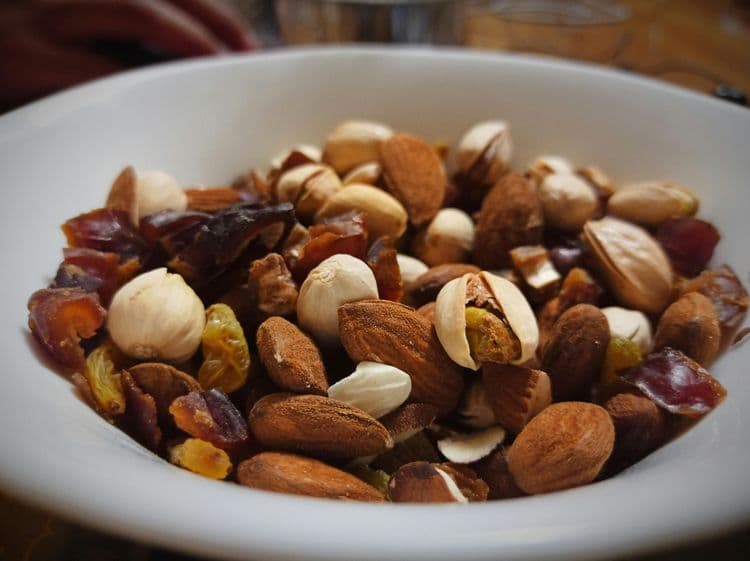
- Trail mix with nuts, chocolate chips, and dried fruit
- Full-fat yogurt with honey and granola
- Cheese and crackers
- Nut butter on crackers or eaten by the spoonful
- A smoothie with whole milk, banana, and protein powder
- Whole milk, juice, or chocolate milk between meals
You can also boost any meal by adding olive oil or butter to vegetables, pasta, or rice. Research highlights that caloric supplementation through snacks and calorie-dense additions can improve weight restoration outcomes. Small, consistent additions throughout the day can add up to hundreds of extra calories.
Managing Emotions Around Eating More
Eating higher calorie meals can bring up difficult emotions. You may feel anxious, guilty, or scared. These feelings are a normal part of recovery and do not mean you are doing something wrong.
Weight restoration is a medically necessary part of recovery for many people. Developing coping skills for recovery can make a meaningful difference. Talking to a therapist, journaling, or practicing self-compassion are all helpful strategies.
If feelings of guilt are strong, body neutrality affirmations can help shift your focus away from appearance and toward what your body can do for you. Reducing body checking habits, like frequently weighing yourself or assessing your body in mirrors, can also support your emotional healing.
Remember that weight gain during recovery is not just expected. It is necessary. Your body needs to restore energy reserves, rebuild muscle, and repair organ function. Studies show that adequate nutrition during recovery leads to improved cognitive function, better mood, and more energy over time.
Working with a Professional
A dietitian who specializes in eating disorders can help you build a meal plan with the right calorie targets for your body. They understand that recovery is different for every person and can adjust your plan as you progress. Many insurance plans cover dietitian services, so it is worth checking your benefits.
If you are supporting someone else through recovery, learning how to help someone with anorexia can make a meaningful difference. Encouragement without pressure, sharing meals together, and being patient with the process are all ways to show support.
Summary
High calorie meals are an essential part of eating disorder recovery. Breakfasts with nut butter, eggs, and smoothies, lunches with grilled cheese and burrito bowls, and dinners with pasta and baked salmon all support your healing. Snacks and small additions like olive oil, cheese, and full-fat dairy help you meet your calorie needs. Recovery takes courage, and nourishing your body is one of the most important things you can do for yourself.
If you or someone you know is struggling with an eating disorder, please reach out. The National Alliance for Eating Disorders helpline is available at 1-866-662-1235.
Sources
6 min read