Do I Have Orthorexia? Signs, Symptoms, and What to Do Next
Wondering "do I have orthorexia?" Learn the warning signs, symptoms, and key differences between healthy eating and orthorexia nervosa from research-backed sources.
Orthorexia
Author
Nabi Editorial Team
Published on Mar 6, 2026

Medical Reviewer
Abraham Ruiz, MS, RDN, CD
7 min read
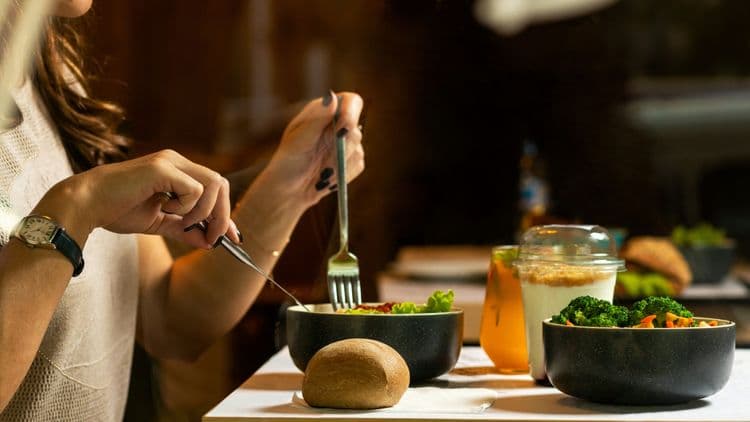
Caring about eating healthy foods is normal and positive. But when does healthy eating cross the line into something harmful? If you find yourself constantly worried about food purity, spending hours researching ingredients, or feeling intense anxiety about eating anything "unhealthy," you might be experiencing orthorexia nervosa.
This eating disorder goes beyond simple health consciousness—it becomes an obsession that can damage your physical health, relationships, and quality of life. Understanding the signs can help you determine whether your relationship with food needs professional support.
What Is Orthorexia Nervosa?
Orthorexia nervosa (ON) is an eating disorder focused on an unhealthy obsession with eating only "pure" or "clean" foods. Unlike other eating disorders that center on eating less food or losing weight, orthorexia is about the quality of what you eat.
According to research, orthorexia involves obsessive focus on healthy eating that causes emotional distress and interferes with daily life. While eating nutritious foods is generally positive, orthorexia turns this into a harmful fixation.
Orthorexia is not yet officially recognized in the Diagnostic and Statistical Manual of Mental Disorders (DSM-5-TR), which doctors use to diagnose mental health conditions. However, mental health professionals increasingly recognize it as a serious eating disorder that needs treatment.
Healthy eating vs orthorexia
Everyone has different eating preferences and health goals. Some people choose organic foods, avoid certain ingredients, or follow specific diets for medical reasons. This is normal and healthy.
Orthorexia becomes a problem when food rules take over your life. Research found that people with orthorexia spend excessive time thinking about food—often three or more hours daily—planning meals, reading labels, and researching ingredients.
The key difference is impact on your life. Healthy eating improves your wellbeing without causing stress or isolation. Orthorexia creates anxiety, damages relationships, and actually harms your physical health despite intentions to be "healthy."
Common Signs and Symptoms of Orthorexia
Recognizing orthorexia symptoms can be challenging because they often look like "being health-conscious" at first. Let's explore the warning signs that suggest your relationship with food may need attention.
Obsessive thoughts about food quality
One sign of orthorexia is spending excessive time thinking about food purity and nutritional content. People with orthorexia often research ingredients and food sources for hours each day, feel unable to stop thinking about whether foods are "clean" or "pure," and experience intense anxiety when they cannot verify food quality.
Increasingly restrictive food rules
People with orthorexia create strict rules about which foods are acceptable. You might notice yourself eliminating entire food groups you once considered acceptable, creating new categories of "forbidden" foods regularly, and following rules that are stricter than any established diet or medical recommendation. These restrictions often lack scientific basis and go far beyond evidence-based nutrition guidelines.
Physical symptoms and nutritional deficiencies
Despite trying to eat "perfectly healthy," orthorexia can lead to malnutrition. Research has been documented that extreme dietary restrictions can cause significant unintended weight loss, fatigue and low energy levels, difficulty concentrating or thinking clearly, and weakened immune system and frequent illness.
These physical effects happen because eliminating many food groups prevents your body from getting essential nutrients, vitamins, and minerals it needs to function.
Emotional and psychological patterns
Orthorexia creates distinct emotional patterns around food. People with orthorexia commonly experience intense anxiety about food choices, guilt and shame after eating anything outside strict rules, loss of food enjoyment, and rigid black-and-white thinking patterns about food being entirely "good" or "bad."
Social isolation and relationship impacts
One of the most significant signs of orthorexia is how it affects your relationships and social life. A study found that people with orthorexia often avoid social events that involve food, refuse to eat at restaurants or others' homes, and feel increasingly isolated and lonely.
Your self-worth becomes tied to following your food rules perfectly. Research shows that people with orthorexia judge themselves primarily by their ability to eat "correctly."
Do I Have Orthorexia? Self-Assessment Questions
While only a healthcare professional can diagnose orthorexia, asking yourself these questions can help you understand whether your eating patterns need attention:
About food thoughts and behaviors:
Do I spend more than two to three hours daily thinking about food choices?
Have my food rules become stricter over the past few months?
Do I feel anxious or panicked when I cannot verify food quality?
About emotional responses:
Do I feel intense guilt or shame after eating certain foods?
Does eating something "wrong" ruin my mood for hours or days?
Is my self-worth based on eating "perfectly"?
About physical health:
Have I lost significant weight unintentionally?
Do I feel tired, weak, or unable to concentrate?
About social impact:
Do I avoid eating with other people?
Have I stopped attending social events because of food concerns?
Am I willing to damage relationships to maintain my food rules?
If you answered "yes" to several of these questions, speaking with a healthcare provider or eating disorder specialist would be beneficial.
Risk Factors for Developing Orthorexia
Understanding who is more likely to develop orthorexia can provide context for your experiences.
Personality traits: People with perfectionist tendencies, high anxiety levels, or a strong need for control have higher orthorexia risk.
History of dieting: Previous dieting attempts, especially restrictive diets, increase orthorexia risk.
Exposure to health and wellness culture: Working in health, fitness, or nutrition fields increases exposure to wellness messaging. A study found higher orthorexia rates among yoga instructors, nutrition students, and dietetics professionals.
Social media use: Heavy use of health and fitness social media is associated with orthorexia symptoms. Research found that viewing "clean eating" content regularly increased risk.
What to Do If You Think You Have Orthorexia
Recognizing you might have orthorexia is an important first step. Here is what to do next:
Reach out to a healthcare professional
Schedule an appointment with your primary care doctor or a mental health professional who specializes in eating disorders. Be honest about your eating patterns, thoughts about food, and physical symptoms.
Early intervention improves treatment outcomes. Do not wait until symptoms become severe.
Consider specialized eating disorder treatment
Evidence-based treatments can help you develop a healthier relationship with food. Research shows that cognitive behavioral therapy (CBT) is particularly effective for orthorexia.
CBT helps you identify and change unhelpful thought patterns about food. You will learn to challenge rigid rules and develop more flexible thinking about eating.
Other helpful treatments include Acceptance and Commitment Therapy (ACT), which helps you accept uncomfortable thoughts and feelings about food without letting them control your behavior, and nutritional counseling with a registered dietitian who specializes in eating disorders.
Build your support network
Recovery is easier with support. Consider telling trusted friends or family members about your struggles, joining a support group for people with eating disorders, and asking loved ones for specific help, like eating meals together.
Practice self-compassion
Many people with orthorexia feel ashamed or blame themselves for their eating patterns. Remember that orthorexia is a mental health condition, not a personal failing or weakness.
According to research, self-compassion—treating yourself with kindness rather than harsh judgment—supports recovery from eating disorders.
Takeaway
Wondering "do I have orthorexia?" is a sign that you are paying attention to your relationship with food. Orthorexia involves obsessive focus on food purity and quality that causes physical harm, emotional distress, and life interference.
Key signs include spending excessive time thinking about food, creating increasingly strict food rules, experiencing anxiety and guilt around eating, physical symptoms like weight loss and fatigue, avoiding social situations involving food, and basing your self-worth on eating "perfectly."
If you recognize these patterns in yourself, reach out to a healthcare professional. Effective treatments like cognitive behavioral therapy can help you develop a balanced, peaceful relationship with food. Remember that seeking help is a sign of strength, not weakness. You deserve support in recovering from orthorexia and rebuilding your health and quality of life.
References
https://pmc.ncbi.nlm.nih.gov/articles/PMC6370446/
https://www.acute.org/resources/orthorexia-eating-disorders
https://eatingdisorders.org.au/eating-disorders-a-z/orthorexia/
https://pmc.ncbi.nlm.nih.gov/articles/PMC10490497/
https://www.nationaleatingdisorders.org/orthorexia/
https://pmc.ncbi.nlm.nih.gov/articles/PMC11723157/
7 min read